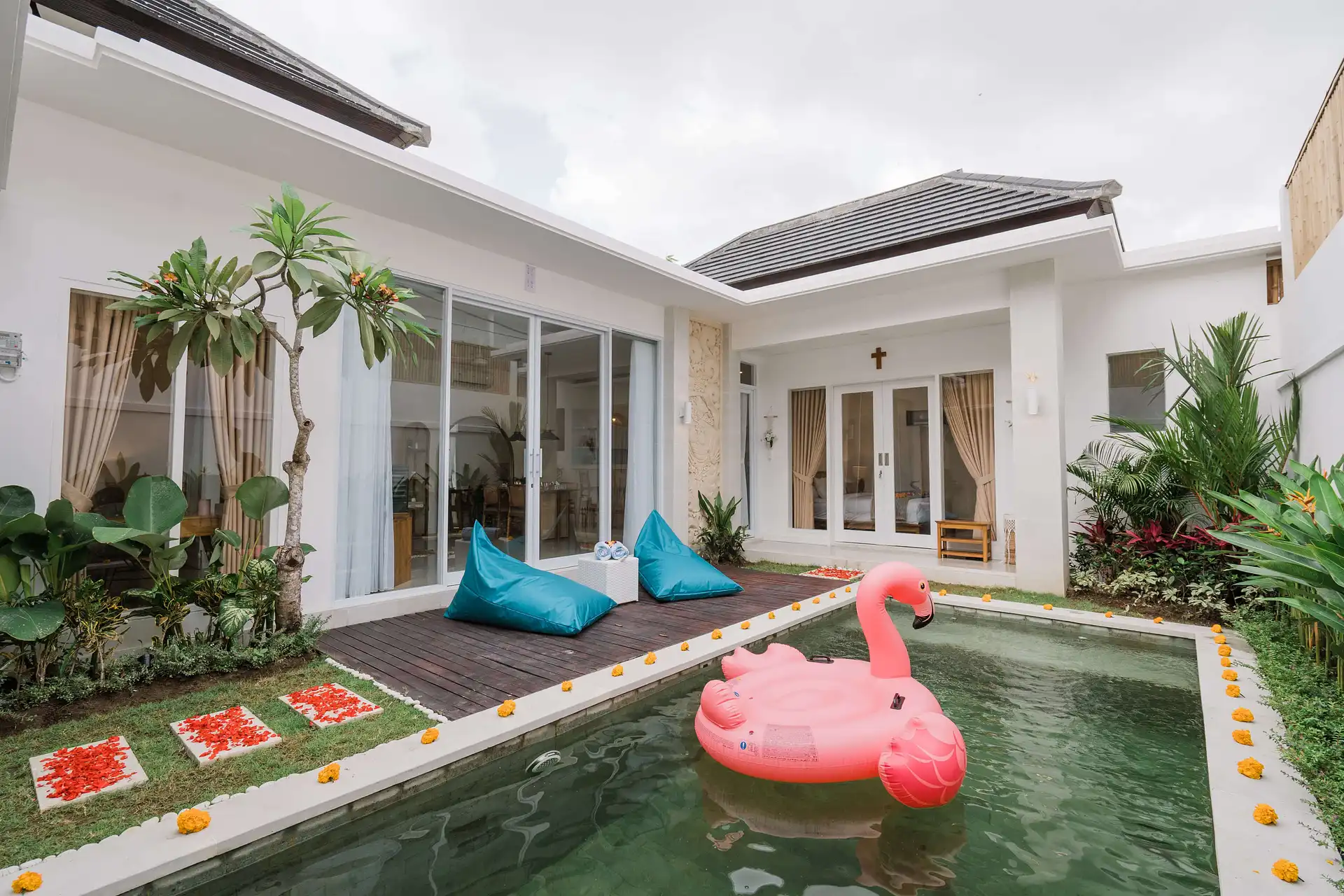
Beneath the postcard-perfect aesthetic of Bali's luxury villas lies a harsh reality: the tropical climate is brutally unforgiving to architecture. Many villa owners quickly discover that building or buying a beautiful property is only the beginning. Preserving that beauty requires fighting a constant, invisible war against the environment.
If ignored, Bali’s tropical climate can aggressively degrade your property, turning a profitable asset into a financial sinkhole of emergency repairs. However, with the right strategy, these threats can be neutralized. Data shows that implementing a consistent, preventive maintenance schedule can reduce unexpected repair costs by up to 62% and extend your property’s lifespan by more than 15 years.
Here are the four hidden enemies of tropical villas in Bali, and the exact preventive strategies professional property managers use to defeat them.
Enemy 1: Extreme Humidity and Mold
Bali experiences an average year-round humidity level of 85%. This constant moisture creates the perfect breeding ground for mold and mildew, which love to hide in dark, poorly ventilated spaces like wardrobes, storage rooms, and inside air conditioning units.
Mold is not just an aesthetic issue; it creates severe health hazards and musty odors that immediately trigger negative guest reviews and refund requests.
The Prevention Strategy: Do not wait for mold to appear. Implement monthly deep-cleaning schedules that include thermal moisture mapping and the application of anti-mold coatings. Air conditioning units must have their filters cleaned and drain lines flushed monthly to prevent algae blockages and ensure the rapid circulation of dry air.
Enemy 2: Airborne Salt Corrosion
If your villa is located in highly sought-after coastal areas like Uluwatu, Canggu, or Seminyak, you are battling salt. Airborne salinity causes coastal properties to experience metal degradation three times faster than inland properties.
This corrosion eats away at hinges, outdoor furniture frames, and most dangerously, your electrical systems. Untreated salt exposure increases the risk of catastrophic electrical system failures by 40%.
The Prevention Strategy: Routine cleaning is not enough. You must schedule quarterly corrosion resistance treatments for all exposed metal elements. Additionally, property managers should regularly inspect electrical panels and apply protective lubricants to door and window mechanisms to prevent seizing.
Enemy 3: Subterranean Termites and Wood Rot
Bali’s lush environment is teeming with aggressive subterranean termite colonies. These pests are incredibly destructive; a single mature colony can consume up to 1 kilogram of wood per day. Because they operate inside the structure, an undetected infestation can lead to the complete collapse of wooden architectural elements before the owner even notices.
Furthermore, the combination of warm temperatures and constant moisture during the wet season makes untreated wood highly susceptible to rapid decay and wood rot.
The Prevention Strategy: Visual checks are insufficient. Protecting your villa requires a comprehensive, 8-point termite inspection conducted by pest control professionals every 60 days. All exposed wood must be routinely treated with chemical sealants to repel moisture and insects.
Enemy 4: Monsoon Rains and Drainage Failures
When the rainy season hits Bali (typically from November to March), torrential monsoon downpours will brutally test the integrity of your property’s waterproofing. Surprisingly, the biggest threat during the monsoon is not the rain itself, but where the rain goes. Statistics reveal that 70% of roof leaks in Bali villas originate from clogged drainage systems rather than actual roof damage.
The Prevention Strategy: Preparation must happen during the dry season. Your maintenance team must execute a strict pre-monsoon protocol that includes clearing all roof gutters, excavating perimeter drainage canals, and renewing silicone-based flexible sealants around windows and roof tiles.
Stop Reacting, Start Preventing with Bali Lyfe Ventures
The difference between a stressed villa owner and a highly profitable one comes down to how they handle maintenance. Waiting for an AC unit to break or a roof to leak before calling a technician—known as reactive maintenance—will always cost you more in emergency fees, replacement parts, and lost rental revenue due to blocked dates.
At Bali Lyfe Ventures (BLV), we implement a relentless, calendar-based preventive maintenance system ``. Our dedicated technical teams conduct daily, weekly, monthly, and quarterly inspections to identify and resolve microscopic vulnerabilities before they turn into expensive disasters. Partner with BLV, and let our experts protect your asset so you can focus on enjoying your returns.